
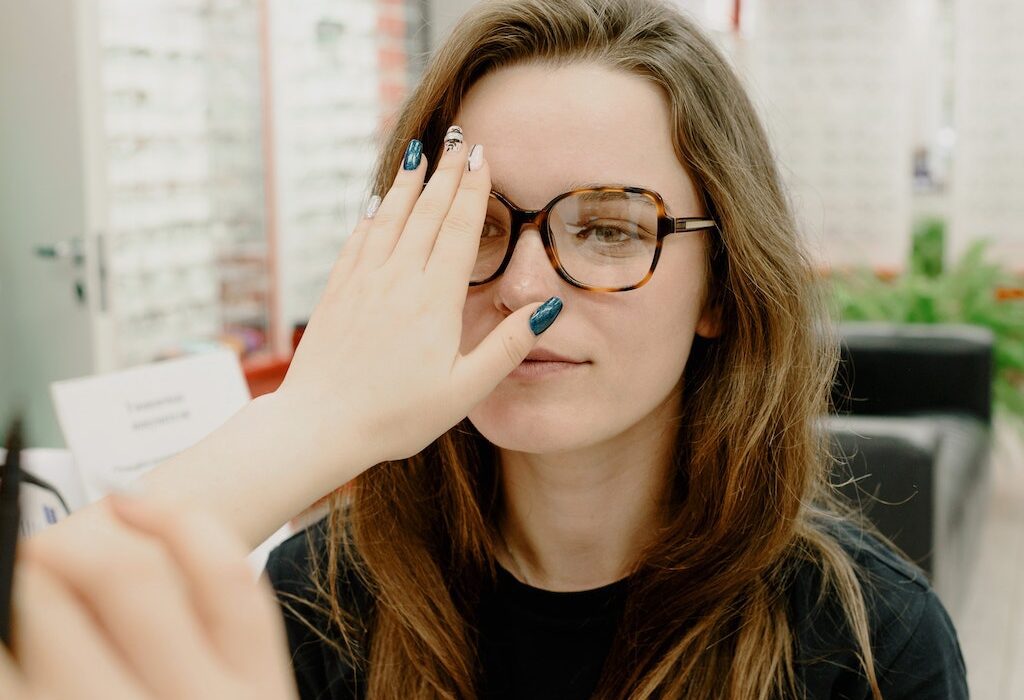
Eyes are essential for experiencing the world, yet they are often taken for granted. Proper eye care is important for maintaining healthy vision and preventing potential vision problems. By following these five eye care recommendations, individuals can proactively protect their eyes and promote optimal eye health.
Scheduling Regular Eye Exams
Regular eye exams help detect and address potential vision issues early on. It’s important to have a comprehensive eye exam every two years, even for those with perfect vision. Individuals with existing eye conditions or who are over the age of 40 should consider annual eye exams. These exams help identify refractive errors, such as nearsightedness or farsightedness, and potential eye diseases like glaucoma or cataracts. Early detection and treatment significantly improve outcomes and preserve vision.
Practicing Healthy Lifestyle Habits
Maintaining a healthy lifestyle positively impacts overall well-being, including eye health. A balanced diet with fruits and vegetables protects against age-related macular degeneration. Quitting smoking or avoiding tobacco products is essential, as smoking increases the risk of developing various eye conditions, including cataracts and macular degeneration. Daily exercise and maintaining a healthy weight also contribute to overall eye health.
Protecting Eyes from Harmful UV Rays
Prolonged exposure to ultraviolet (UV) rays can harm the eyes and increase the risk of cataracts and macular degeneration. Wearing sunglasses that block 100% UVA and UVB rays is necessary whenever outdoors, even on cloudy days. Additionally, a wide-brimmed hat provides additional protection to the eyes and face. Protecting eyes from UV radiation is important year-round, so wearing sunglasses during winter or outdoor activities like skiing is recommended.
Giving Eyes Regular Breaks
In today’s digital age, extensive screen time can cause eye strain, dryness, and discomfort. Following the 20-20-20 rule can alleviate these issues. Every 20 minutes, individuals should take a 20-second break to look at something 20 feet away. This practice reduces eye fatigue and allows the eyes to refocus. Blinking frequently and adjusting brightness and contrast settings on screens also helps reduce eye strain.
Practicing Proper Eye Safety
Whether at work or engaging in recreational activities, always prioritize eye safety. Individuals working in hazardous environments or participating in activities that pose a risk to the eyes should wear appropriate eye protection, such as safety glasses or goggles. These protect the eyes from flying debris, chemicals, and other hazards. When participating in sports or recreational activities like swimming, wearing protective eyewear designed for those activities prevents eye injuries.