Don’t know a lot about HEPA filters? Let’s address air purifiers and clear up any confusion.
When it comes to questions like which air purifier to buy or the necessity of a HEPA filter, relying on paid endorsements or seals of approval isn’t the ideal solution. Fortunately, we have expert advice from a renowned board-certified allergist and indoor air quality specialist to help make informed choices. Read on to learn more about HEPA filters.
Understanding Air Filters
Firstly, it’s important to dispel the misconception about “air purifiers.” Contrary to the name, no device can completely purify the air. While some ultraviolet (UV) light units can eliminate viruses and bacteria, they still cannot purify all the air. The primary function of an air cleaner is to remove small particles that pass through its filter.
Let’s delve into HEPA filters (high-efficiency particulate air). These filters are designed to capture 99.7% of particles measuring 0.3 microns or smaller. This includes common allergens like mold, animal dander, dust mites, pollen, and even small particles from smoke and pollution.
HEPA filters are commonly found in freestanding air cleaners and vacuum cleaners. However, it’s crucial to be cautious when encountering the term “HEPA-like” on a label, as it can be misleading and does not guarantee a true HEPA filtered unit.
Pre-Purchase Considerations
Minimize indoor air particles originating from the outside. Replace old, inefficient windows, caulk window frames, and seal foundation cracks to prevent moisture, mold, pollen, and insects from entering one’s home. Opt for smooth surface flooring and easily cleanable furniture, which can be damp-mopped or dusted. Carpets tend to harbor allergens, so removing them or using a HEPA vacuum for thorough cleaning is advisable.
Whole-House Systems
If one has a central HVAC system, consult a reputable contractor to replace the manufacturer’s filter with an approved furnace filter. Ensure the filter has a Minimum Efficiency Rating Value (MERV) of 11 or 12. Set the fan to run continuously, pulling the air through the filter and removing particles as small as 2 microns. Change the filter often to maintain its effectiveness.
For whole-house air filtration units, it is recommended to have a professional HVAC company install a properly sized HEPA filter. This ensures the equipment’s longevity and guarantees that air passes through the filter, providing optimal filtration. Improper sizing may lead to HVAC system issues and could void the warranty.
Room Air Cleaners
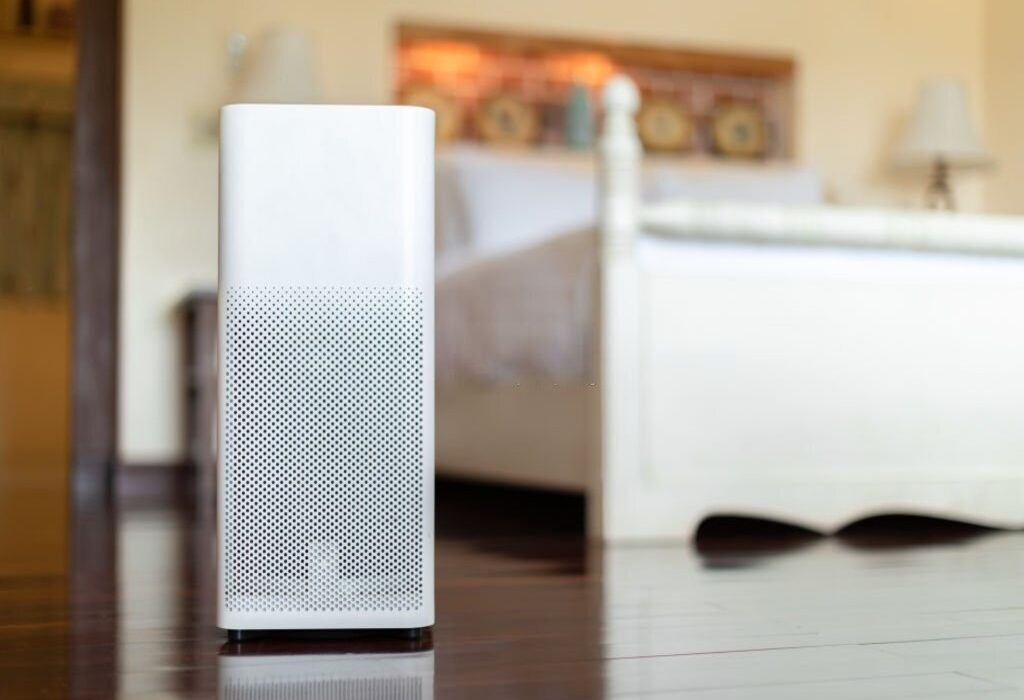
A HEPA room air cleaner can be beneficial if a person lacks a central HVAC system or has indoor pets. Remember to clean settled dust reservoirs and keep pets out of the bedroom. While a room air cleaner can effectively clean the air in the designated room, it’s essential to understand that it won’t purify the air throughout the entire home. Only the particles that pass through the air filter will be captured.
When selecting a room air cleaner, consider the Clean Air Delivery Rate (CADR) the appliance industry provides. This rating helps match the appropriate unit to the size of the room. Additionally, laminar flow HEPA air cleaners are available, which may offer advantages when used in special pillows during sleep.
Steer clear of ozone-generating “air purifiers” as they can worsen allergy or asthma symptoms, as the EPA and medical professionals advised. Note that filters like ULPAs (ultra-low penetration air) used in industrial or scientific settings are unsuitable for home environments.