
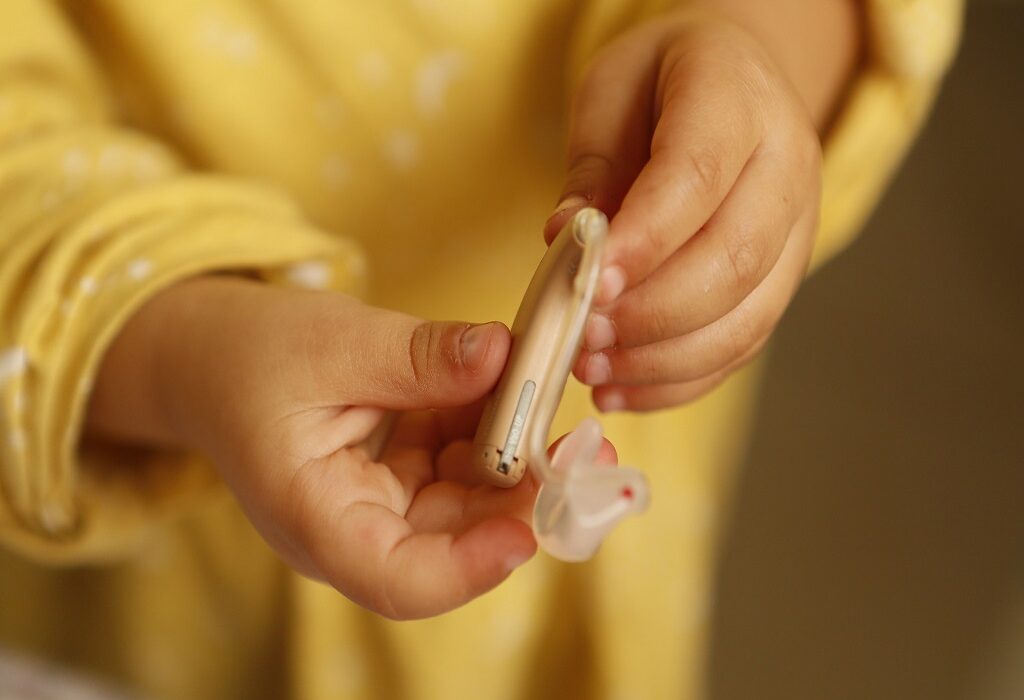
In the past, purchasing hearing aids was simpler as there were limited options. However, digital technology has brought about many features and choices, making the decision-making process more intricate. It’s important to dedicate time to comprehend the available options to achieve optimal hearing outcomes.
Collaborating with an experienced hearing specialist is essential for navigating these significant considerations. Below are six factors to consider when purchasing hearing aids, accompanied by relevant questions to ask a hearing specialist.
Programmability
Not all hearing amplification devices are created equal. Selecting hearing aids that can be programmed to enhance sounds based on specific hearing loss is important. Merely amplifying all sounds uniformly will not effectively improve speech comprehension. Inquire about programmability options and pre-programmed settings suitable for different environments.
Style
Hearing aids are available in various sizes and styles, ranging from behind-the-ear to completely-in-the-canal options. When deciding on a hearing aid style, weigh factors such as cost, functionality, ease of use, and appearance. Collaborate closely with a hearing professional, considering the extent of the individual’s hearing loss.
Directional Microphones
If the primary concern is understanding speech, hearing aids equipped with directional microphones should be sought. These hearing aids feature multiple microphones that allow the device to focus on specific sound sources in front of the individual, such as speech.
Background Noise Minimization
Most digital hearing aids incorporate features for minimizing background noise and suppressing feedback. The microprocessor within hearing aids can distinguish between speech and background noise, amplifying speech while suppressing other sounds.
Telecoils
Telecoils are small copper coils integrated into hearing aids that provide additional benefits. They eliminate feedback during phone conversations and allow for connection to hearing loop systems in venues like churches or cinemas. Hearing loops can be set up in home theater systems. Discuss available telecoil options with a hearing specialist.
Wireless Connectivity
If the individual owns a smartphone or iPhone, they should consider hearing aids with wireless connectivity. This feature enables direct streaming of phone calls and music to the hearing aids, ensuring optimal sound quality. Furthermore, the smartphone can be a discreet remote control for adjusting volume and settings.
In conclusion, individuals can make an informed decision when purchasing hearing aids by considering the factors mentioned. It is important to invest time in understanding the available options. Collaborate closely with a hearing professional to find the hearing aids that best suit the individual’s needs and preferences. Making the right choice can lead to enhanced hearing and an improved quality of life.